
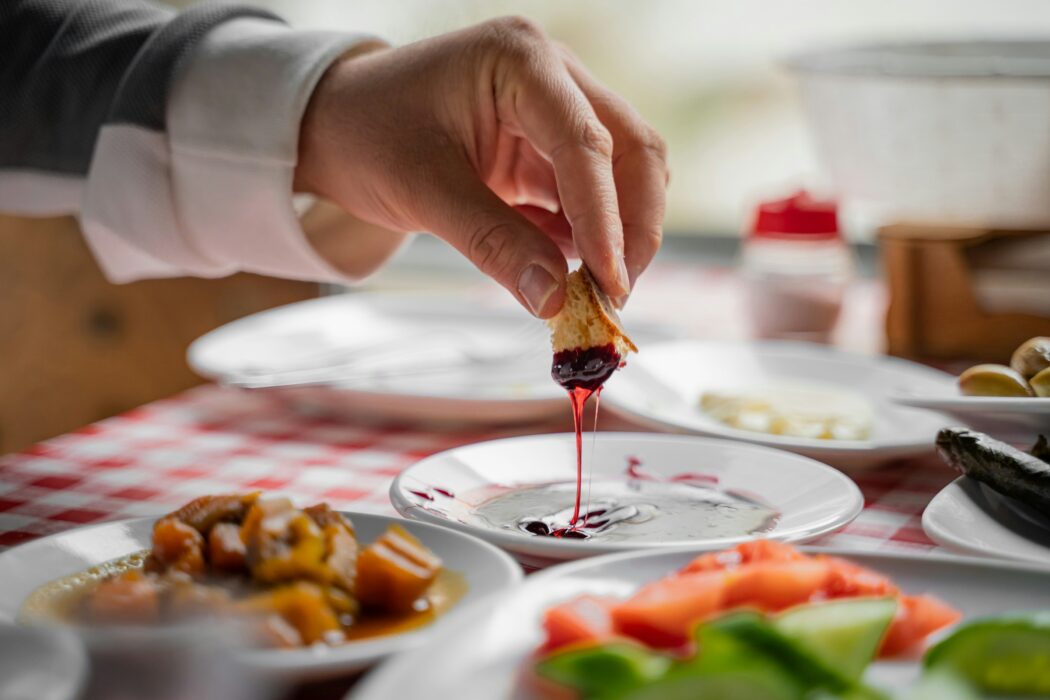
Finger Foods in Healthcare: Small Change, Big Impact
In Healthcare Foodservice, we are often concerned with the nutritional value, food safety, and therapeutic diets. While these are critical, we sometimes fail to ask one critical question: Is the food easy to consume?
Patients in healthcare facilities often experience difficulties in eating and swallowing due to various conditions such as dementia, Parkinson’s disease, stroke, arthritis, and physical inactivity. Traditional meals that demand the use of utensils may not be the most effective for these patients.
This is where finger foods can make a significant difference in patient care. As Nutrition Managers, we have an opportunity to enhance patient independence, dignity, and nutritional intake through simple modifications in food service approaches.
What are Finger Foods?
Finger foods are those foods that can easily be picked up and consumed without the need for using utensils.
Examples of finger foods are:
- Mini sandwiches
- Vegetable sticks or soft-cooked vegetables
- Cheese cubes
- Fruit slices
- Chicken strips
- Egg muffins
- Soft pancakes or waffles
Finger foods are beneficial for patients who have cognitive and physical limitations in using utensils for eating.
Supporting Independence and Dignity
One of the biggest advantages of finger foods is that they allow patients to eat independently. Losing independence in eating is very frustrating for patients.
Residents suffering from dementia may have problems sitting still for their meals or may have difficulty using their eating utensils (Alzheimer’s Society, 2026). Finger foods enable them to eat while walking or at their own pace.
Research also found that providing finger foods to dementia patients increases food consumption since it is easy to handle and requires less concentration (Alzheimer’s Society, 2026). When patients are enabled to eat independently, it also preserves their dignity and sense of autonomy.
Improving Nutritional Intake
Nutritional intake is one of the major issues in any healthcare setting. Patients may have difficulty eating with their utensils or may need assistance to eat. These patients may be forced to eat less since it is very difficult for them to eat.
Finger foods can help solve the problem by providing easier access to food. If the food is easy to pick up and eat, the patient will be able to consume the necessary amounts of calories and protein.
Studies carried out in long-term care settings have demonstrated that food presentation and accessibility can be effective in promoting food intake in older adults and individuals with cognitive impairment (Amella, 2004).
Enhancing food intake is crucial since a food intake deficit may lead to malnutrition in healthcare settings (World Health Organization [WHO], n.d).
For Nutrition Managers, finger foods are not only easy to use, but they can also be effective in minimizing nutrition-related risks in healthcare settings.
What Could Finger Foods Look Like in Healthcare?
Finger foods do not mean sacrificing nutrition or meal quality. With proper menu planning, healthcare kitchens can create finger foods that are both nutritious and appealing.
Some practical examples include:
Breakfast:
- Mini egg muffins with vegetables
- Banana pancakes cut into strips
- Yogurt bites with fruit
Lunch:
- Chicken or turkey wraps cut into small portions
- Soft vegetable fritters
- Cheese and whole-grain crackers
Dinner:
- Baked fish bites
- Soft roasted vegetables
- Small potato wedges
Desserts and snacks can also be incorporated as finger foods, like oatmeal cookies, fruit slices, and small energy bites that are easy to pick up and eat.
Presentation is also important. The foods must be easy to handle, visually appealing, and at the right temperature.
A Small Change with a Big Impact
Finger foods are a small change that can have a big impact on healthcare foodservice. Changing the way meals are served can have a positive effect on patient independence, food intake, and the patient dining experience.
As Nutrition Managers, it is not only important that meals are nutritionally adequate but also that meals are a positive experience for patients.
Sometimes, it is the simplest changes to healthcare practices that are the most important. One such small change that can have a great impact is incorporating finger foods.